


What is the 4 3 2 1 rule for bento boxes?
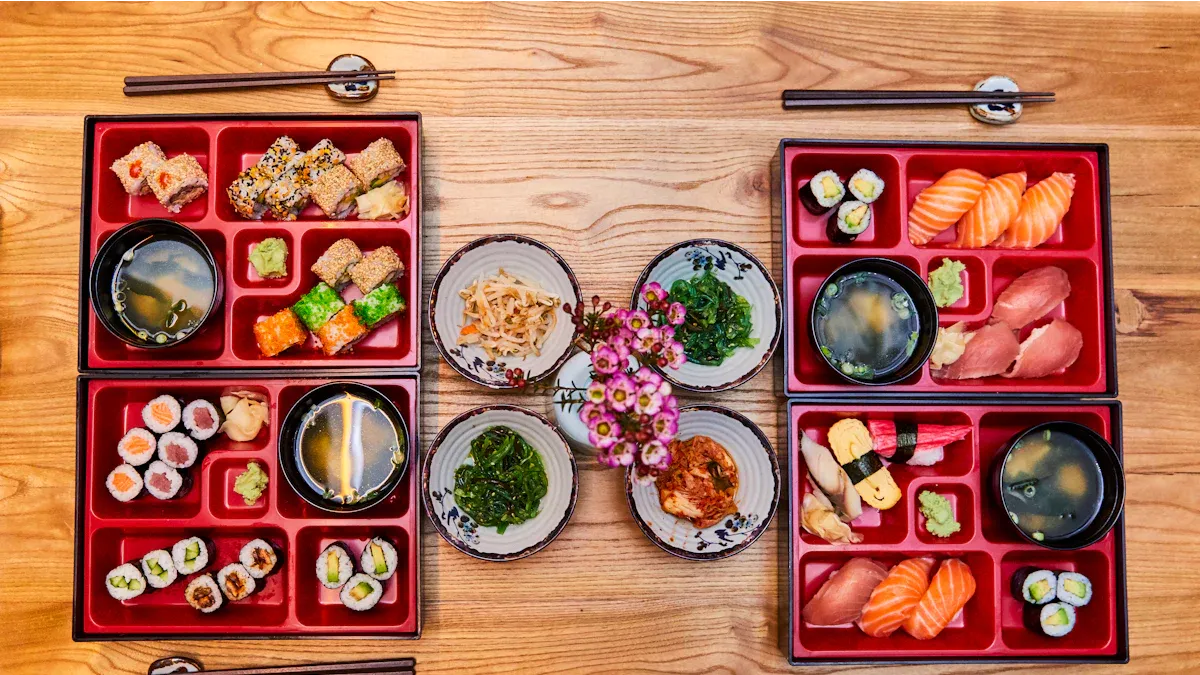
I always find the 4 3 2 1 rule helpful when I pack my Lunch Box Bento Box with Cover. This rule means I fill four parts with carbohydrates, three parts with protein, two parts with vegetables, and one part with pickled vegetable or fruit. My meals look balanced and taste great.
Key Takeaways
- The 4 3 2 1 rule helps you pack balanced bento meals with four parts carbohydrates, three parts protein, two parts vegetables, and one part pickled vegetable or fruit.
- This rule makes packing easy and quick by giving a simple formula to follow without measuring, saving time and ensuring good nutrition.
- Following the 4 3 2 1 rule creates colorful, tasty, and healthy lunches that keep you energized and excited to eat every day.
Why the 4 3 2 1 Rule Matters
Balanced Nutrition in Every Lunch
When I use the 4 3 2 1 rule, I know my lunch will have the right mix of nutrients. Carbohydrates give me energy to get through the day. Protein helps my muscles grow and keeps me full. Vegetables add vitamins and fiber, which help my body stay healthy. Pickled vegetables or fruit bring extra flavor and important nutrients. I do not have to guess if my meal is balanced. The rule makes it easy for me to include everything my body needs.
Simplicity and Ease of Packing
Packing a bento box can feel confusing if I do not have a plan. The 4 3 2 1 rule gives me a simple formula. I just count the parts as I fill my box. I do not need to measure or weigh my food. I can use a small cup or even my hand to estimate the portions. This method saves me time in the morning. I always feel confident that my lunch will turn out right.
Tip: I like to use an unordered list to check off each part as I pack:
- 4 parts carbohydrate
- 3 parts protein
- 2 parts vegetable
- 1 part pickled vegetable or fruit
Visually Appealing Bento Meals
I notice that my bento looks more colorful and inviting when I follow the 4 3 2 1 rule. The ratio acts like a golden rule for making meals look good. When I use different foods for each part, I see a mix of colors and shapes. This makes my lunch more fun to eat. The variety of colors also shows me that I am getting a range of nutrients. Many people say that this method helps bento boxes look more attractive, even though there is no official study. I find that a beautiful lunch makes me excited to eat healthy food every day.
Breaking Down the 4 3 2 1 Rule
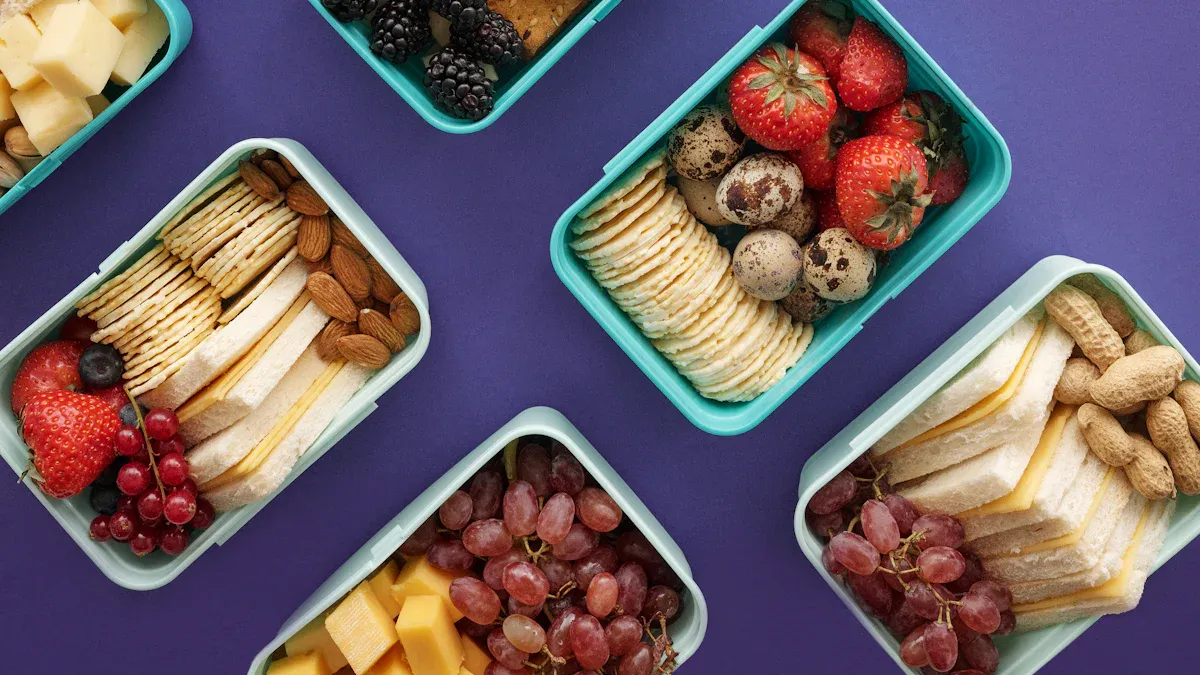
4 Parts Carbohydrate
When I start packing my bento, I always begin with the carbohydrates. This group forms the base of my meal. Carbohydrates like rice, noodles, or bread give me the energy I need to stay active and focused during the day. I learned that traditional Japanese bento boxes use a 4-3-2-1 ratio, with four parts carbohydrate. This tradition helps me stick to a balanced meal plan.
I often use white rice, brown rice, or soba noodles. Sometimes I pick quinoa or whole grain bread for variety. I noticed that in a typical chicken bento box with steamed rice, carbohydrates make up about 35% of the total calories. This matches the idea of using four parts carbohydrate, which keeps my energy levels steady.
Tip: I like to fill the largest section of my bento box with carbohydrates first. This helps me keep the right balance.
Common carbohydrate choices for bento:
- Steamed rice (white or brown)
- Sushi rice
- Udon or soba noodles
- Quinoa
- Whole grain bread
3 Parts Protein
Next, I add protein. Protein helps my muscles grow and keeps me feeling full longer. I usually choose chicken, fish, tofu, or eggs. I read that many portion control plates and bento-style lunch boxes recommend including protein as a key part of a balanced meal. While there is no strict rule for exactly three parts protein, I find that this amount works well for me. It gives my lunch enough substance without making it too heavy.
I like to mix up my protein sources. Some days I use grilled salmon or teriyaki chicken. Other days I add tamagoyaki (Japanese rolled omelet) or baked tofu. This variety keeps my lunches interesting and tasty.
Note: I try to use lean proteins most of the time. This helps me keep my meals healthy.
Protein ideas for bento:
- Grilled chicken or turkey
- Baked or broiled fish
- Tofu or tempeh
- Hard-boiled eggs
- Edamame
2 Parts Vegetable
Vegetables add color, crunch, and important nutrients to my bento. I always include two parts vegetables to follow the 4 3 2 1 rule. Research shows that eating more vegetables can help people live longer and lower the risk of many diseases. Large studies found that eating about five servings of fruits and vegetables each day leads to the best health results. Two servings of fruit and three servings of vegetables seem to work best for most people.
I like to use a mix of raw and cooked vegetables. Sometimes I add steamed broccoli, carrot sticks, or cherry tomatoes. Other times I use spinach, kale, or bell peppers. I try to pick vegetables that are rich in vitamins like beta carotene and vitamin C. These nutrients help my body stay strong and healthy.
- Nurses’ Health Study and Health Professionals Follow-Up Study tracked over 100,000 adults for up to 30 years.
- Eating five servings of fruits and vegetables daily links to a lower risk of death.
- Green leafy vegetables and those high in vitamin C show the strongest health benefits.
Tip: I always try to include at least one green vegetable in my bento. This makes my lunch look fresh and appetizing.
1 Part Pickled Vegetable or Fruit
The last part of my bento is a small section for pickled vegetables or fruit. This part adds a burst of flavor and a different texture. Pickled foods like takuan (pickled daikon), kimchi, or pickled cucumbers give my lunch a tangy taste. Sometimes I use a piece of fruit, such as a slice of orange or a few berries, for a sweet finish.
Pickled vegetables can help with digestion because they often contain probiotics. Fruit adds natural sweetness and important vitamins. I find that this small section makes my bento feel complete and satisfying.
Note: I keep the pickled or sweet part small. This keeps my meal balanced and lets the other flavors shine.
Pickled or fruit options:
- Pickled radish or cucumber
- Kimchi
- Umeboshi (pickled plum)
- Orange slices
- Strawberries or blueberries
By breaking down the 4 3 2 1 rule this way, I can pack a bento box that is balanced, colorful, and delicious every time.
How to Pack a Lunch Box Bento Box with Cover Using the 4 3 2 1 Rule
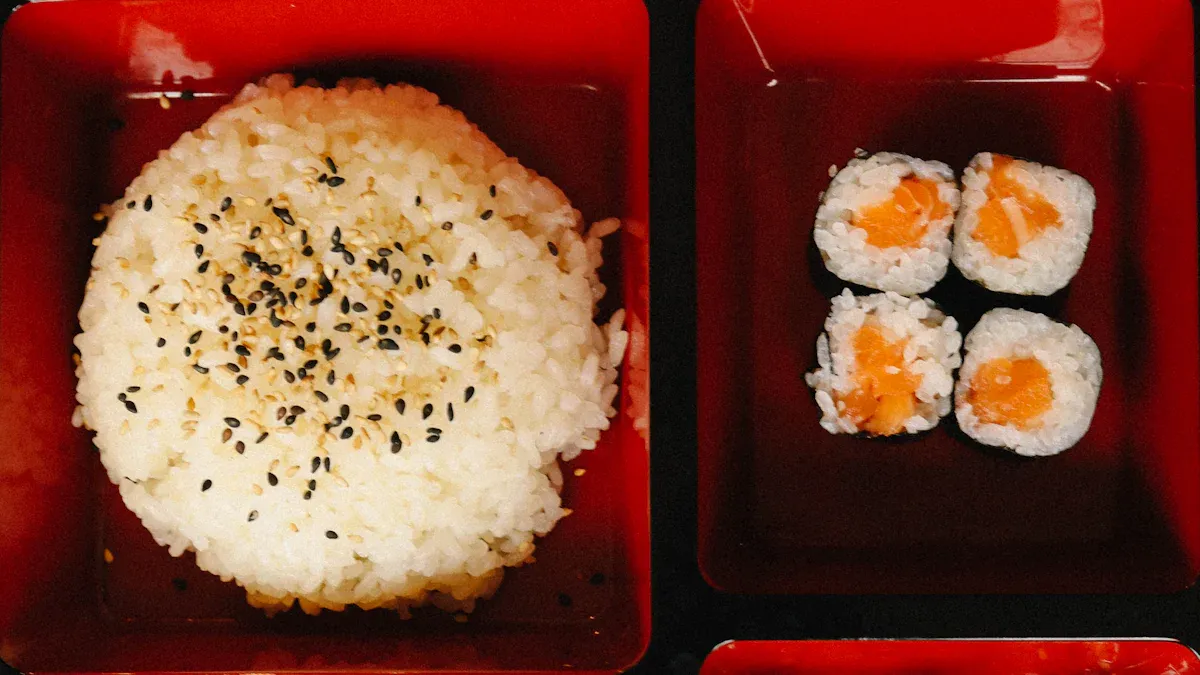
Step-by-Step Packing Guide
When I pack my Lunch Box Bento Box with Cover, I follow a simple process that helps me stay organized. Here is how I do it:
- I choose a bento box with compartments. This keeps each food group separate and neat.
- I fill about half of the box with carbohydrates like rice or noodles. This gives me energy for the day.
- I add protein, such as chicken, tofu, or eggs, to about a quarter of the box.
- I use the last quarter for vegetables and fruit. I like to cut them into fun shapes to make my meal look exciting.
- I always try to pick colorful foods. This makes my lunch more appealing and adds different nutrients.
- I prepare and slice my foods ahead of time. This saves me time in the morning.
- I pack everything tightly so nothing moves around when I carry my Lunch Box Bento Box with Cover.
- If I use perishable items, I add an ice pack to keep my food fresh.
Tip: I keep wet and dry foods apart to stop sogginess.
Customization Tips and Flexibility
I like that the 4 3 2 1 rule works for many diets. Sometimes I use more vegetables if I want a lighter meal. Other times, I swap rice for quinoa or use extra protein for a low-carb lunch. Many people use this rule as a guide, not a strict formula. I see lots of vegetarian and vegan bento boxes that still follow the same balance. I also pay attention to color. When I add red tomatoes, green broccoli, and yellow peppers, my Lunch Box Bento Box with Cover looks like a rainbow.
Example Bento Combinations
Here are some bento ideas I have tried using the 4 3 2 1 rule:
| Bento Type | Carbohydrate | Protein | Vegetable | Pickled/Fruit |
|---|---|---|---|---|
| Classic | White rice | Grilled chicken | Broccoli, carrots | Pickled radish |
| Vegetarian | Brown rice | Tofu | Spinach, bell pepper | Orange slices |
| Salmon Bento | Sushi rice | Baked salmon | Edamame, cucumber | Umeboshi (plum) |
I find that using my Lunch Box Bento Box with Cover makes it easy to try new combinations and keep my meals balanced.
I find the 4 3 2 1 rule makes packing my Lunch Box Bento Box with Cover simple and fun. My meals look great and taste even better. I can change the parts to fit my needs. Try this method for easy, balanced lunches every day!
FAQ
What if I do not like pickled vegetables?
I sometimes use fresh fruit instead. I pick berries or orange slices. This keeps my bento balanced and tasty.
Can I use leftovers in my bento box?
I often pack leftovers from dinner. I make sure to follow the 4 3 2 1 rule for balance.
How do I keep my bento fresh until lunchtime?
I always use an ice pack with my Lunch Box Bento Box with Cover. This keeps my food cool and safe to eat.
